History with timelines
Brewing history is treated as agriculture, culture, science, trade and hospitality — not just a quick paragraph about ancient beer.
Brewing education, brewery operations and beer authority guides
brewgroup.com.au is a practical brewing authority website for brewers, brewery owners, venue operators, educators and beer lovers. Instead of thin lifestyle copy, the site now focuses on useful reference material: timelines, process diagrams, brewing checklists, risk matrices, sensory language, quality control and operational playbooks.
Brewing history is treated as agriculture, culture, science, trade and hospitality — not just a quick paragraph about ancient beer.
Each guide includes operational substance: what to measure, what fails, why it matters and how to improve it.
Breweries need security that protects staff, stock, kegs, cool rooms, public areas, loading docks and evidence without killing hospitality.
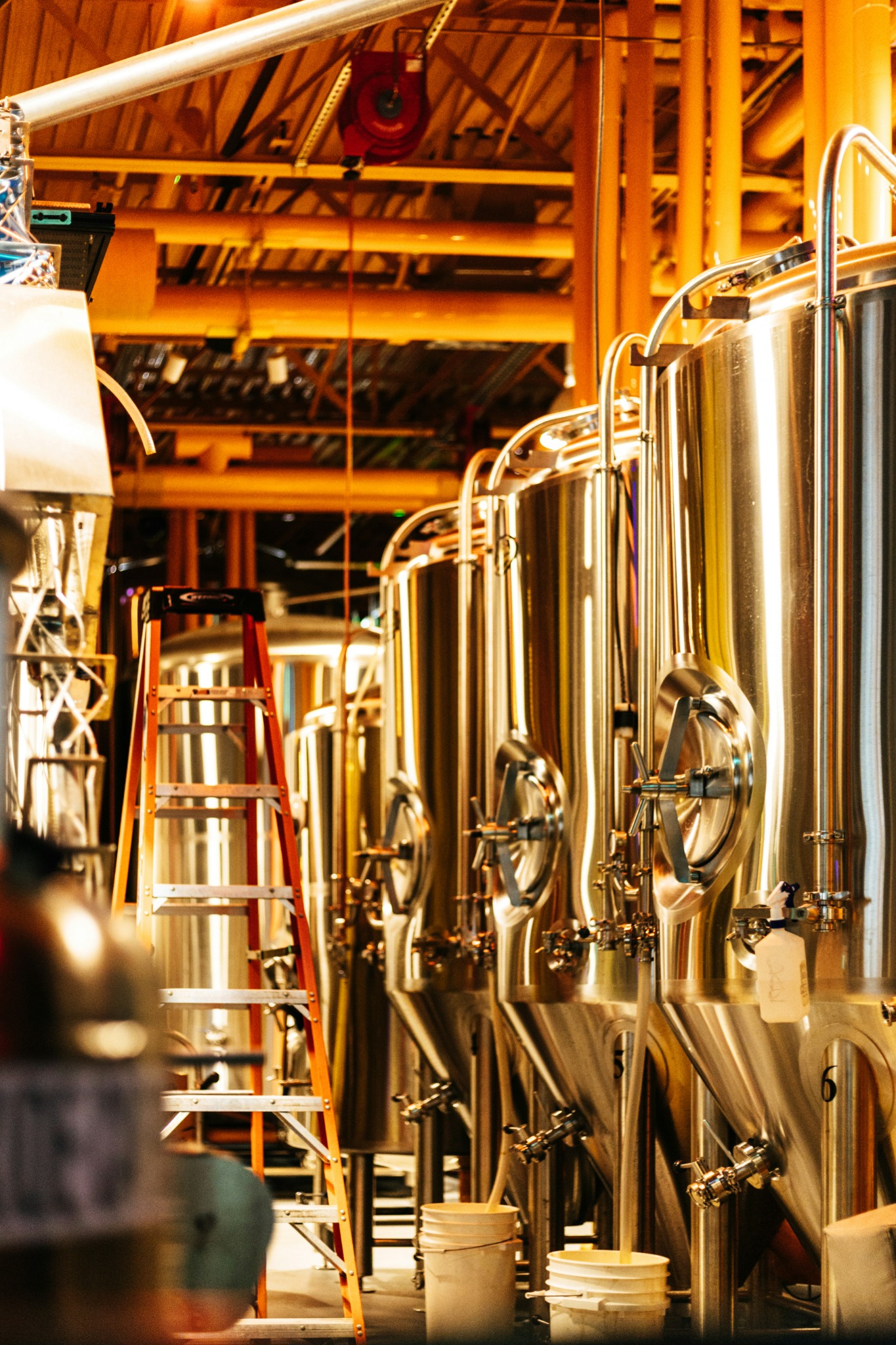
Brewing centres hold more than beer. They contain stainless tanks, pumps, glycol systems, tools, packaged alcohol, kegs, CO2 systems, chemicals, cool rooms, public taproom areas, cash points, loading docks and staff-only production zones. A good brewery security design protects people first, then protects stock, evidence and production continuity.
Useful coverage can include CCTV at entries and exits, cameras over the bar and payment points, cool-room and keg-store coverage, loading dock monitoring, access control on production areas, alarm protection for offices and storage, and evidence capture for after-hours incidents. For professional commercial security installation, see SeriousSecurity.com.au.
Read the brewery security guideBrewing Systems matters because beer quality is the outcome of connected decisions, not one heroic brew day. The customer only sees the glass, but the glass contains the crop year of the malt, the storage life of the hops, the condition of the yeast, the cleanliness of the tank, the patience of the cellar, the accuracy of packaging and the discipline of service. A strong brewery treats those decisions as a system.
From an operator’s point of view, brewing systems should reduce confusion. The best breweries make the critical step visible: a brewer can see the target, the method, the acceptable range and the corrective action. This is what separates a mature brewery from a busy shed full of good intentions.
People learn brewing faster when the explanation is connected to what they can smell, see and taste. A brewer who understands why a step matters is more reliable than a brewer who follows a checklist blindly. The same is true for taproom staff explaining the beer to drinkers.
| Area | Main risk | Useful control | Evidence goal |
|---|---|---|---|
| Taproom and bar | After-hours entry, payment disputes, staff safety, intoxication incidents | Visible CCTV, duress process, alarm, POS camera view | Clear face and transaction context |
| Cool room and keg store | Keg theft, alcohol stock loss, staff-only access | Access control, door contact, camera at entry, inventory process | Who entered, when, and what left |
| Brewhouse and cellar | Unauthorised access, chemical safety, equipment damage | Restricted access, signage, camera overview, lockable chemical store | Timeline of movement and activity |
| Loading dock | Vehicle damage, delivery disputes, stock movement, trespass | Wide CCTV, optional number plate view, lighting, gate control | Vehicle, driver and load movement |
| Office and server/NVR area | Cash, records, network equipment, alarm panel access | Alarm, access control, locked cabinet, camera outside entry | Access trail without compromising privacy |
A brewery is both a production site and a social space. That makes security different from a warehouse. Cameras and access control should reduce risk without making the taproom feel hostile. The best design uses visible deterrence where it helps, discreet coverage where customer comfort matters, and strict access control where alcohol stock, chemicals, CO2, production equipment and staff-only areas need protection.
For professional commercial security installation, see SeriousSecurity.com.au. The practical goal is to protect people, stock, kegs, cool rooms, production uptime and usable evidence.
| Element | Why it matters | Common failure |
|---|---|---|
| Process control | Creates repeatable flavour and safer work. | Relying on memory instead of records. |
| Training | Turns individual knowledge into team capability. | Only one person knows how things work. |
| Cleaning | Protects beer from avoidable faults. | Skipping verification when production is busy. |
| Feedback | Connects brewing, packaging, taproom and customers. | Treating complaints as anecdotes instead of data. |
The common mistake is to chase flavour without controlling the pathway that produces it. Brewers may change the hop bill, yeast strain or mash schedule before checking cleaning, oxygen pickup, fermentation temperature or raw material condition. Good troubleshooting slows down the impulse to guess.
Quality control is not a department that appears at the end of production. It starts with ingredient acceptance and continues through cleaning, wort production, fermentation, transfer, packaging, cold storage and service. The further a fault travels, the more expensive it becomes.
Records do not need to be complicated, but they need to be used. A useful record captures the target, the actual result, the person responsible, the sensory observation and the next action. Without that loop, every batch teaches less than it should.
From an operator’s point of view, brewing systems should reduce confusion. The best breweries make the critical step visible: a brewer can see the target, the method, the acceptable range and the corrective action. This is what separates a mature brewery from a busy shed full of good intentions.
Records do not need to be complicated, but they need to be used. A useful record captures the target, the actual result, the person responsible, the sensory observation and the next action. Without that loop, every batch teaches less than it should.
Commercially, brewing systems links directly to margin and reputation. Lost beer, reworked beer, flat beer, oxidised beer, inconsistent beer and confused staff all cost money. Authority content should help a brewery avoid those losses while improving the story it tells customers.
Education should be practical, not elitist. The goal is to give brewers, staff and customers a better language for beer: aroma, balance, freshness, bitterness, malt depth, yeast expression, body, finish and faults. Better language creates better decisions.
People learn brewing faster when the explanation is connected to what they can smell, see and taste. A brewer who understands why a step matters is more reliable than a brewer who follows a checklist blindly. The same is true for taproom staff explaining the beer to drinkers.
Quality control is not a department that appears at the end of production. It starts with ingredient acceptance and continues through cleaning, wort production, fermentation, transfer, packaging, cold storage and service. The further a fault travels, the more expensive it becomes.
The common mistake is to chase flavour without controlling the pathway that produces it. Brewers may change the hop bill, yeast strain or mash schedule before checking cleaning, oxygen pickup, fermentation temperature or raw material condition. Good troubleshooting slows down the impulse to guess.
Quality control is not a department that appears at the end of production. It starts with ingredient acceptance and continues through cleaning, wort production, fermentation, transfer, packaging, cold storage and service. The further a fault travels, the more expensive it becomes.
From an operator’s point of view, brewing systems should reduce confusion. The best breweries make the critical step visible: a brewer can see the target, the method, the acceptable range and the corrective action. This is what separates a mature brewery from a busy shed full of good intentions.
Commercially, brewing systems links directly to margin and reputation. Lost beer, reworked beer, flat beer, oxidised beer, inconsistent beer and confused staff all cost money. Authority content should help a brewery avoid those losses while improving the story it tells customers.
Records do not need to be complicated, but they need to be used. A useful record captures the target, the actual result, the person responsible, the sensory observation and the next action. Without that loop, every batch teaches less than it should.
Education should be practical, not elitist. The goal is to give brewers, staff and customers a better language for beer: aroma, balance, freshness, bitterness, malt depth, yeast expression, body, finish and faults. Better language creates better decisions.